The 10 Most Scariest Things About Buying A German Driving License Expe…
페이지 정보

본문
Navigating the Autobahn and Beyond: Understanding the German Driving License Experience
The appeal of Germany typically extends beyond its rich history, vibrant culture, and sensational landscapes. For many, the possibility of driving on the well known Autobahn, a network renowned for its sections without mandatory speed limitations, is a significant draw. Nevertheless, before one can experience the excitement behind the wheel in Germany, acquiring a German driving license is an essential and, frequently viewed, challenging undertaking. This short article explores the experiences associated with acquiring a German driving license, offering a useful guide to the process, possible obstacles, and valuable insights for anybody thinking about embarking on this journey.
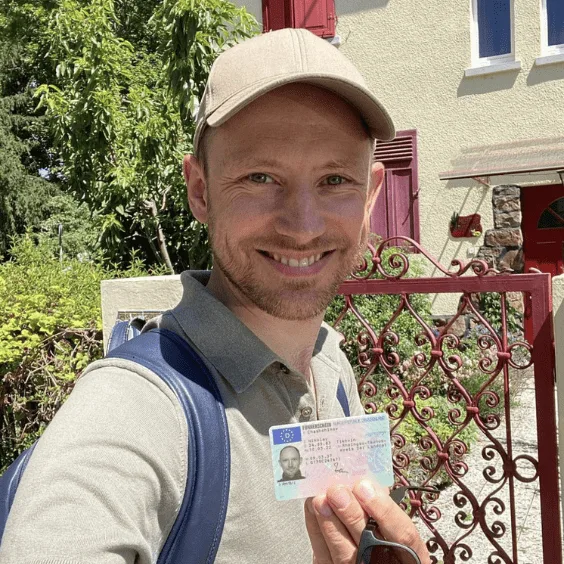
A German driving license is more than just a piece of paper allowing legal operation of a vehicle; it's a testimony to a driver's competence and adherence to stringent German road safety requirements. The procedure is designed to be extensive, guaranteeing drivers are not only educated about traffic laws however likewise possess the useful skills and accountable mindset required to browse German roadways safely. While the reputation of the German driving test as extensive is well-earned, understanding the process and being prepared can make the experience less difficult and ultimately effective.

The Road to a German Driving License: A Step-by-Step Journey
Obtaining a German driving license is a structured procedure, usually including a number of key phases. While specific experiences can differ based on private circumstances and driving schools, the basic path remains constant.
Here's a breakdown of the standard actions:
Enrolling in a Driving School (Fahrschule): This is the very first and vital action. Selecting the best driving school is vital as they will assist you through the whole process. Driving schools in Germany are controlled and provide structured training programs adhering to nationwide requirements. Registration normally involves registration and receiving initial details about the course structure, expenses, and needed documents.
Eye Test (Sehtest): Before beginning official training, an eye test is compulsory to ensure you meet the minimum vision requirements for driving. This test can be done at an optician or an eye doctor. A certificate of your effective eye test is a required document for your application.
Emergency Treatment Course (Erste-Hilfe-Kurs): Demonstrating understanding of emergency treatment is a requirement for acquiring a German driving license. You will need to finish a recognized first aid course, normally lasting a day. These courses are commonly offered and cover essential first aid treatments pertinent to roadway mishaps and basic emergency situations.
Theory Lessons (Theorieunterricht): German driving theory is comprehensive and extensive. Driving schools offer obligatory theory lessons, covering everything from traffic laws and regulations, roadway indications, and right-of-way guidelines to vehicle technology, ecological factors to consider, and defensive driving techniques. These lessons are often interactive and developed to prepare students for the theoretical assessment.
Theory Exam (Theorieprüfung): Once the theory lessons are completed, you can use to take the official theory exam. This computer-based exam tests your understanding of German driving laws and guidelines. It includes multiple-choice questions and video-based scenarios. Passing the theory exam is a requirement for commencing useful driving lessons. Numerous potential drivers find the theory exam challenging due to the large volume of details and the need to understand nuanced German traffic rules. Language can likewise be a significant barrier for non-native speakers.
Practical Driving Lessons (Fahrstunden): After passing the theory exam, the practical driving lessons begin. The variety of lessons needed differs significantly depending upon specific aptitude, prior driving experience (if any), and the driving trainer's assessment of progress. German driving instructors are highly trained and focus not only on fundamental car control however also on safe, responsible, and anticipatory driving. Lessons cover a large range of driving circumstances, consisting of city driving, Autobahn driving, rural roadways, night driving (typically compulsory), and emergency maneuvers. These lessons are conducted in driving school automobiles equipped with double controls.
Practical Exam (Praktische Prüfung): The useful driving exam is the last obstacle. It is performed by an official inspector from the TÜV (Technischer Überwachungsverein) or DEKRA (Deutscher Kraftfahrzeug-Überwachungs-Verein), independent screening organizations. The exam usually lasts around 45-60 minutes and assesses a driver's ability to safely and properly operate a vehicle in real-world traffic conditions. Inspectors meticulously evaluate driving skills, adherence to traffic guidelines, observation abilities, and general driving habits. The German useful exam is understood for its thoroughness and can be viewed as requiring. It is not uncommon for candidates to need multiple attempts to pass.
Navigating the Bumps in the Road: Common Experiences and Challenges
While the process is structured, individuals typically experience particular difficulties and have unique experiences during their journey to get a German driving license.
Language Barrier: For non-German speakers, the language barrier can be a substantial hurdle, especially for the theory exam. While some driving schools provide lessons and products in English or other languages, the main theory exam and füHrerschein kaufen erfahrungen useful exam are normally conducted in German. Understanding complicated German traffic rules and terminology can be requiring, requiring additional effort and registrierten führerschein kaufen deutschland führerschein kaufen für 500 euro [Https://squareblogs.net] language assistance.
Strictness of the System: The German driving license system is known for its rigor and high requirements. Both the theory and practical examinations are created to be difficult, reflecting the emphasis on road security in Germany. This strictness can be at first intimidating for some, specifically if they are used to less rigid licensing procedures in their home countries.
Cost: Obtaining a German driving license can be costly. Costs consist of driving school enrollment costs, theory and useful lesson fees (which are typically charged per lesson), eye test, very first help course, theory and practical exam fees, and application costs. The total expense can vary based upon the number of useful lessons required, which in turn depends upon specific discovering speed and previous experience.
Thoroughness of Practical Exam: The useful exam is thoroughly detailed, and inspectors are trained to observe a large range of driving habits. Even minor mistakes can lead to failure if they are considered to compromise safety or indicate a lack of competence. This thoroughness can develop pressure and anxiety for prospects.
Finding a Suitable Driving School and Instructor: The relationship with the driving trainer is essential for success. Discovering a driving school and instructor that fit private learning styles and needs is essential. Aspects like trainer's mentor design, interaction skills, and accessibility can considerably impact the learning experience.
Waiting Times: Depending on the region and driving school, waiting times for theory and practical tests can in some cases be longer than desired. This can contribute to the overall period of the procedure.
Tips for a Smoother Ride: Strategies for Success
While obstacles exist, effective acquisition of a German driving license is attainable with preparation and the ideal technique.
Here are some pointers to boost the experience and increase the chances of success:
Start Early and Plan Ahead: Begin the process well in advance of when you really need the license. This allows ample time for knowing, practicing, and handling potential delays.
Choose a Reputable Driving School: Research and select a well-regarded driving school with skilled instructors and a good credibility. Look for recommendations and read evaluations from other students.
Diligent Theory Preparation: Devote enough time to studying the theory product. Use learning apps, practice tests, and other resources to reinforce your understanding of German traffic laws. For non-native speakers, consider language support resources specifically designed for driving theory.
Be Proactive in Practical Lessons: Actively engage in practical lessons. Ask concerns, seek feedback, and practice identified locations of weakness. Don't hesitate to request additional lessons if you feel you require more practice.
Address Language Barriers Head-On: If language is an issue, think about driving schools that use support for non-native speakers, explore translation tools for theory products, and possibly look for language tutoring concentrated on driving-related vocabulary.
Practice, Practice, Practice: Supplement driving school lessons with additional practice if possible, even if it's simply practicing maneuvers in a safe, regulated environment (with suitable supervision and approvals if not a personal area). The more comfy and positive you are behind the wheel, the much better you will perform in the exam.
Mock Exams and Practice Tests: Utilize mock theory and useful examinations to acquaint yourself with the exam format, determine locations for improvement, and lower exam anxiety.
Do not Be Discouraged by Failure: It is not unusual to fail the useful exam on the very first effort in Germany. Don't let this discourage you. Examine the examiner's feedback, resolve the determined weaknesses, and attempt once again. Perseverance is essential.
Foreign License Conversion: An Alternative Route
For some people holding driving licenses from other countries, there may be the possibility of transforming their existing license to a German one without undergoing the full German driving license treatment. This depends on mutual arrangements between Germany and the releasing country. However, even with mutual contracts, a practical test or additional training might still be required. It's necessary to examine the specific regulations based on your native land and the class of license you hold. If conversion is not possible, or if the foreign license is not recognized, acquiring a complete German driving license through the basic procedure is essential.
Conclusion: The Value of a German Driving License
Obtaining a German driving license is unquestionably an extensive and in some cases tough process. Nevertheless, the rigor of the system guarantees that license holders are proficient and safe drivers, adding to Germany's reputation for roadway security. The experiences experienced during the process, from mastering complicated traffic laws to browsing demanding useful tests, eventually equip drivers with the skills and understanding necessary to with confidence and properly navigate German roads and beyond. While it might require effort, devotion, and possibly a couple of attempts, the benefit of holding a German driving license, with its reliability and recognition, is well worth the journey. It opens doors to exploring Germany and Europe on four wheels, offering liberty and self-reliance in a region known for its outstanding road facilities and driving culture.
Regularly Asked Questions (FAQs) about Getting a German Driving License
Q: How long does it require to get a German driving license?
A: The duration varies greatly depending on individual learning speed, previous experience, and the availability of driving school consultations and exam slots. It can range from a couple of months to over a year. Factors like language proficiency and the variety of useful lessons needed also play a function.
Q: How much does it cost to get a German driving license?
A: Costs vary significantly. Budget anywhere from EUR2,000 to EUR3,500 or even more. Costs depend on the driving school, the variety of useful lessons needed, exam costs, and other associated expenditures. It's advisable to get cost quotes from a number of driving schools.
Q: Can I take the theory and practical examinations in English?
A: Generally, the official theory and useful tests are performed in German. While some driving schools may offer theory lessons and materials in English, the main exams are usually in German. It's important to validate with the driving school and authorities about language choices.
Q: How lots of theory and useful lessons are necessary?
A: There is no lawfully mandated minimum variety of useful driving lessons. Nevertheless, necessary theory lessons must be completed. The variety of useful lessons needed depends upon specific ability and the driving instructor's assessment of progress. A certain number of unique driving lessons (e.g., Autobahn, night driving) are typically compulsory.
Q: What takes place if I fail the theory or useful exam?
A: If you stop working either the theory or useful exam, you can retake it. There is generally a waiting duration before you can try the exam again. There are likewise restricts to the number of times you can stop working before requiring to re-enroll in driving school or dealing with more limitations.
Q: Can I utilize my foreign driving license in Germany?
A: Whether you can use your foreign driving license in Germany and for how long depends upon your country of origin and the type of license. Licenses from EU and EEA countries are normally acknowledged. For licenses from non-eu führerschein kaufen erfahrungen/EEA countries, there might be a restricted credibility period or the requirement for conversion or a German driving license. It's vital to inspect the specific policies based on your private situations.
Q: Do I need to own a car to get a German driving license?
A: No, you do not require to own a car. Driving lessons and practical tests are conducted in driving school lorries.
Q: Is it possible to move my foreign driving license to a German one?
A: Yes, sometimes, it is possible to transfer a foreign driving license to a German one, depending upon mutual contracts in between Germany and the issuing country. The procedure and requirements differ. Contact the local driving license authority (Führerscheinstelle) for particular information.
Q: What kinds of automobiles can I drive with a German Class B driving license (standard car license)?
A: A Class B driving license permits you to drive automobile (as much as 3.5 lots of maximum authorized mass) with up to 8 traveler seats plus the driver's seat. It also consists of trailers approximately a specific weight. For larger lorries or other classifications, extra driving license classes are required.
- 이전글Chill Zone 25.04.03
- 다음글5 Laws That Can Benefit The Insulated 45ft Containers Industry 25.04.03
댓글목록
등록된 댓글이 없습니다.
