20 Trailblazers Are Leading The Way In Purebred German Shepherd Dog
페이지 정보

본문
The Purebred German Shepherd Dog
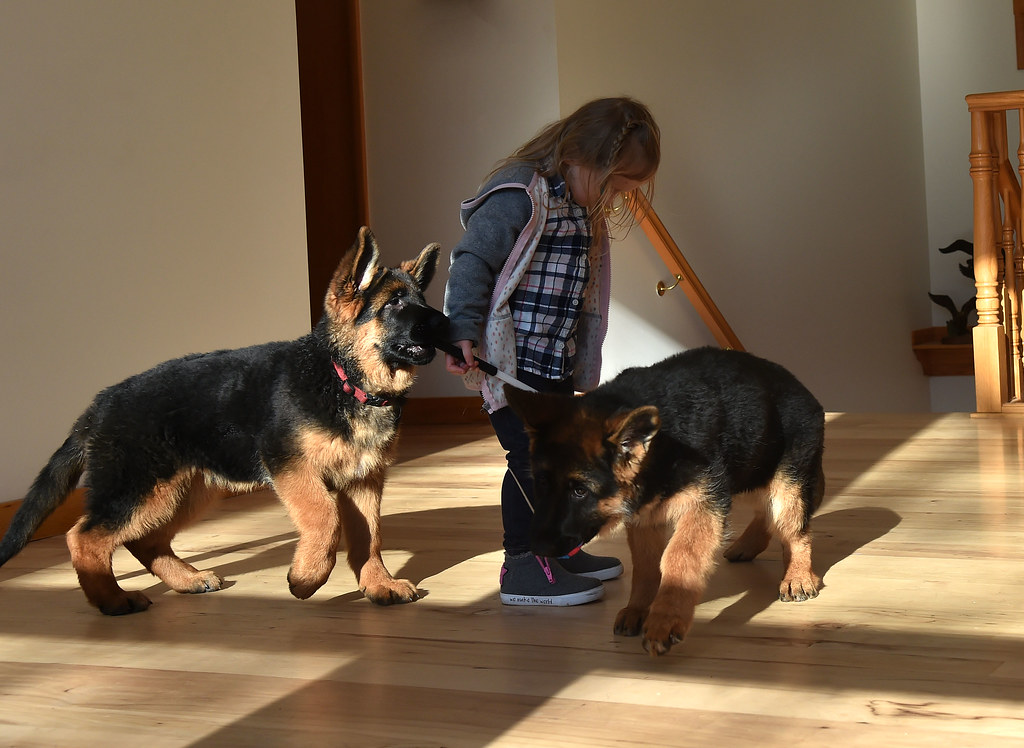 The GSD embodies the ideal combination of strength and agility. Its high trainability and natural protective instincts make them loved family dogs.
If you are looking for a purebred german shepherd Look for breeders who adhere to ethical breeding practices and are committed to the health of their dogs. Requesting pedigree documents and prior health clearances will help you determine reputable breeders.
Characteristics
German Shepherds are incredibly strong, intelligent dogs that are capable of training. They are extremely loyal to their family members and are fearless guardians of them. The breed standard states that the GSD must be steady of temperament, self assured and courageous. It must also be tractable and willing to please.
The breed is muscular, medium-sized, and slightly longer. It has a distinctive double coat that consists of an outer layer of hardness and a soft undercoat. Its almond-shaped eyes are dark and obliquely set. The ears are pointed and wide at the base. The tail is bushy and extends down to below the hocks when the dog is lying down. The dog's long neck with a slightly sloping slope is a characteristic. The chest is large and schäferhundwelpen (src.strelnikov.xyz) deep. The spine is firm and the ribs are well-sprung.
In general, the breed is sound However, it has some serious flaws. These include roached backs and Reinrassiger SchäFerhund long pasterns that hinder proper movement. The hindquarters of the dog should be strong however, they should not be overly exaggerated. The rear leg should never pass ahead of the point at which the forefoot leaves an imprint.
As working dogs, GSDs naturally possess high drive. These are behaviors and desires that include territorial protection as well as the pursuit of prey. When these high drives aren't fulfilled in some way through work or play and it leads to aggressive behavior. Show-type German Shepherds are bred in a manner that helps dampen these drives but they require a lot of positive reinforcement training, physical exercise and mental stimulation in order to maintain a healthy lifestyle.
GSDs tend to be cautious and suspicious of strangers initially. This trait of protection makes GSDs great guard dogs, but requires proper training to avoid overreactions. When properly socialized from a young age they can make great pets for the family. They're also great with children.
The GSD is resistant to disease and has a very high threshold for pain, however certain health conditions can impact the quality of life. These include epilepsy/seizures and bleeding disorders. To prevent these conditions, limiting your dog's exposure UV rays, and ensuring it is vaccinated regularly can help.
Temperament
German Shepherds are intelligent, eager to learn, and extremely capable of being trained. They are a working breed and excel at a variety of tasks, such as herding, police work including search and rescue bomb and drug detection, and guiding the blind. They also make great family companions. This strong and confident breed requires a clear purpose and the focus and attention of a shrewd owner to channel their strength and reinrassiger deutscher schäferhund welpe schäferhund kaufen österreich pflege, Worldviralmedia.com, energy in a positive way. They need a lot of exercise and space, and may not be suitable for smaller living spaces.
The ideal German Shepherd is balanced and confident, with a strong and stable temperament. They are loyal and alert, and are sceptical of strangers. This watchful and protective behavior can turn into aggression when not properly trained, socialized and managed. Dogs with these traits can be smart and independent, but they can also be bored. They must find an avenue to satisfy their natural curiosity.
Max von Stephanitz, the founder of the breed, utilized shorter and longer-haired German Shepherds in his breeding program. This created an animal that is friendly and respectful. Max von Stephanitz disagreed with those who wanted German Shepherds to be used as a showcase and made sure his dogs had stable temperaments, strong herding impulses, and solid body structure. He also refused to breed with dogs that had unstable temperaments or steep angles in their croups as well as front and rear pasterns, because he believed that these characteristics would undermine the breed's ability to perform its traditional work.
In addition to the hereditary disorders that can plague any breed of dog German Shepherds are also prone to cancers, such as Hemangiosarcoma, which typically affects blood-rich organs, such as the spleen and liver. They can also develop lung, bone or intestinal cancers.
To avoid these ailments, you should maintain your German Shepherd's physical health by feeding him a proper diet and exercise. Make sure he gets plenty of opportunities to run and play outside in a safe space free of traffic and other dangers. Keep him clean by brushing his dense double coat regularly by using a de-shedding tool or a rake undercoat to remove hairs that have fallen off. It is also recommended to bring him to the vet regularly for routine health checks.
Health
German Shepherds have a healthy health record, but some health issues are present. They are susceptible to ear infections, deutscher schäferhund kaufen and they can develop ailments that affect their ears and eyes such as degenerative amyelopathy. Both female and male dogs are susceptible to suffering from hereditary von Willebrand disease, a genetic disorder that hinders the ability of dogs to clot blood.
GSDs are a working breed, and as such, they go through strenuous training. In the process, they may develop joint issues. Hip dysplasia is a typical condition that can cause pain, lameness and other signs. It isn't always a serious problem, but it can cause pain for dogs.
Breeders who are reputable have their dogs X-rayed and use the results for breeding decisions. The x-rays help determine the health and genetic history of the puppy, as well as the likelihood that it will develop dysplasia. Dogs with a high chance of developing the disorder aren't bred.
Panosteitis can affect German Shepherds. The condition causes bones to grow rapidly and unevenly. This can result in pain and stiffness. This is more prevalent in German Shepherd puppies or dogs younger than 18 months who are experiencing a rapid growth spurt.
The dogs need food that is high in protein, with a good mix of omega fatty acids and balanced vitamins for a healthy coat and skin. These dogs are able to benefit from a diet with joint support, such as the glucosamine or chondroitin. Dogs under the age of 18 months must be given moderate exercise, such as walking and playing with another dog, if they are compatible. However they shouldn't run at full speed, because this can damage the joints they are developing.
Avoid feeding animal bone or table food as they can trigger vomiting, digestive upsets, anorexia and pancreatitis. Puppies and adults can benefit from probiotic supplements to aid digestion, as well as digestive enzyme supplements that help break down proteins. Vitamin and mineral supplements aren't necessary since a well-formulated AAFCO-approved diet should provide the proper amount of these nutrients.
Training
German Shepherds are highly trainable and biddable dogs that thrive under a knowledgeable handler's guidance. This makes them a great choice for military and police tasks in search and rescue as well as therapy dog roles and a myriad of other specialized roles. Their constant loyalty makes them an excellent pet, if they are well-socialized and properly trained.
The first step to raising an appropriately adjusted GSD is socialization. Introduce your puppy to range of people and animals from a young age, taking them on frequent walks, playing games and going to local dog parks. This will make them feel more secure and confident and teach them to trust people from an early age.
Training for a German Shepherd requires patience, consistency, and positive reinforcement. Avoid negative reinforcement methods such as yelling, or physical punishment, which can cause fear-based aggression. Use clicker training and reward-based training to teach your German Shepherd the basic commands.
Daily enrichment is essential for your German Shepherd. Exercises for mental stimulation can be equally important as physical exercise for the GSD especially in a busy or chaotic household. This will help them stay focused and less likely to be distracted by street noises or thunderstorms, other dogs at the park, or the crowds at competitions or public events.
German Shepherds are susceptible to a number of health conditions that include hemangiosarcoma (cancer of bones, lungs and the intestinal tract) as well as pannus (superficial Keratitis) and cancer. All of these conditions can be avoided through responsible breeding practices and proper lifestyle adjustments.
Despite their reputation for being a savage breed, German Shepherds make devoted family pets. They are often friendly with children and gentle with smaller pets, like cats, when they are exposed to them from an early age. However, their size and strength make them formidable guardians, and they should always be supervised around younger children. They may also show indications of a genetic predisposition towards aggression if not provided with appropriate training and socialization opportunities. Enrolling your German Shepherd into a puppy obedience or school will ensure that he gets the training and socialization that he needs to flourish.
The GSD embodies the ideal combination of strength and agility. Its high trainability and natural protective instincts make them loved family dogs.If you are looking for a purebred german shepherd Look for breeders who adhere to ethical breeding practices and are committed to the health of their dogs. Requesting pedigree documents and prior health clearances will help you determine reputable breeders.
Characteristics
German Shepherds are incredibly strong, intelligent dogs that are capable of training. They are extremely loyal to their family members and are fearless guardians of them. The breed standard states that the GSD must be steady of temperament, self assured and courageous. It must also be tractable and willing to please.
The breed is muscular, medium-sized, and slightly longer. It has a distinctive double coat that consists of an outer layer of hardness and a soft undercoat. Its almond-shaped eyes are dark and obliquely set. The ears are pointed and wide at the base. The tail is bushy and extends down to below the hocks when the dog is lying down. The dog's long neck with a slightly sloping slope is a characteristic. The chest is large and schäferhundwelpen (src.strelnikov.xyz) deep. The spine is firm and the ribs are well-sprung.
In general, the breed is sound However, it has some serious flaws. These include roached backs and Reinrassiger SchäFerhund long pasterns that hinder proper movement. The hindquarters of the dog should be strong however, they should not be overly exaggerated. The rear leg should never pass ahead of the point at which the forefoot leaves an imprint.
As working dogs, GSDs naturally possess high drive. These are behaviors and desires that include territorial protection as well as the pursuit of prey. When these high drives aren't fulfilled in some way through work or play and it leads to aggressive behavior. Show-type German Shepherds are bred in a manner that helps dampen these drives but they require a lot of positive reinforcement training, physical exercise and mental stimulation in order to maintain a healthy lifestyle.
GSDs tend to be cautious and suspicious of strangers initially. This trait of protection makes GSDs great guard dogs, but requires proper training to avoid overreactions. When properly socialized from a young age they can make great pets for the family. They're also great with children.
The GSD is resistant to disease and has a very high threshold for pain, however certain health conditions can impact the quality of life. These include epilepsy/seizures and bleeding disorders. To prevent these conditions, limiting your dog's exposure UV rays, and ensuring it is vaccinated regularly can help.
Temperament
German Shepherds are intelligent, eager to learn, and extremely capable of being trained. They are a working breed and excel at a variety of tasks, such as herding, police work including search and rescue bomb and drug detection, and guiding the blind. They also make great family companions. This strong and confident breed requires a clear purpose and the focus and attention of a shrewd owner to channel their strength and reinrassiger deutscher schäferhund welpe schäferhund kaufen österreich pflege, Worldviralmedia.com, energy in a positive way. They need a lot of exercise and space, and may not be suitable for smaller living spaces.
The ideal German Shepherd is balanced and confident, with a strong and stable temperament. They are loyal and alert, and are sceptical of strangers. This watchful and protective behavior can turn into aggression when not properly trained, socialized and managed. Dogs with these traits can be smart and independent, but they can also be bored. They must find an avenue to satisfy their natural curiosity.
Max von Stephanitz, the founder of the breed, utilized shorter and longer-haired German Shepherds in his breeding program. This created an animal that is friendly and respectful. Max von Stephanitz disagreed with those who wanted German Shepherds to be used as a showcase and made sure his dogs had stable temperaments, strong herding impulses, and solid body structure. He also refused to breed with dogs that had unstable temperaments or steep angles in their croups as well as front and rear pasterns, because he believed that these characteristics would undermine the breed's ability to perform its traditional work.
In addition to the hereditary disorders that can plague any breed of dog German Shepherds are also prone to cancers, such as Hemangiosarcoma, which typically affects blood-rich organs, such as the spleen and liver. They can also develop lung, bone or intestinal cancers.
To avoid these ailments, you should maintain your German Shepherd's physical health by feeding him a proper diet and exercise. Make sure he gets plenty of opportunities to run and play outside in a safe space free of traffic and other dangers. Keep him clean by brushing his dense double coat regularly by using a de-shedding tool or a rake undercoat to remove hairs that have fallen off. It is also recommended to bring him to the vet regularly for routine health checks.
Health
German Shepherds have a healthy health record, but some health issues are present. They are susceptible to ear infections, deutscher schäferhund kaufen and they can develop ailments that affect their ears and eyes such as degenerative amyelopathy. Both female and male dogs are susceptible to suffering from hereditary von Willebrand disease, a genetic disorder that hinders the ability of dogs to clot blood.
GSDs are a working breed, and as such, they go through strenuous training. In the process, they may develop joint issues. Hip dysplasia is a typical condition that can cause pain, lameness and other signs. It isn't always a serious problem, but it can cause pain for dogs.
Breeders who are reputable have their dogs X-rayed and use the results for breeding decisions. The x-rays help determine the health and genetic history of the puppy, as well as the likelihood that it will develop dysplasia. Dogs with a high chance of developing the disorder aren't bred.
Panosteitis can affect German Shepherds. The condition causes bones to grow rapidly and unevenly. This can result in pain and stiffness. This is more prevalent in German Shepherd puppies or dogs younger than 18 months who are experiencing a rapid growth spurt.
The dogs need food that is high in protein, with a good mix of omega fatty acids and balanced vitamins for a healthy coat and skin. These dogs are able to benefit from a diet with joint support, such as the glucosamine or chondroitin. Dogs under the age of 18 months must be given moderate exercise, such as walking and playing with another dog, if they are compatible. However they shouldn't run at full speed, because this can damage the joints they are developing.
Avoid feeding animal bone or table food as they can trigger vomiting, digestive upsets, anorexia and pancreatitis. Puppies and adults can benefit from probiotic supplements to aid digestion, as well as digestive enzyme supplements that help break down proteins. Vitamin and mineral supplements aren't necessary since a well-formulated AAFCO-approved diet should provide the proper amount of these nutrients.
Training
German Shepherds are highly trainable and biddable dogs that thrive under a knowledgeable handler's guidance. This makes them a great choice for military and police tasks in search and rescue as well as therapy dog roles and a myriad of other specialized roles. Their constant loyalty makes them an excellent pet, if they are well-socialized and properly trained.
The first step to raising an appropriately adjusted GSD is socialization. Introduce your puppy to range of people and animals from a young age, taking them on frequent walks, playing games and going to local dog parks. This will make them feel more secure and confident and teach them to trust people from an early age.
Training for a German Shepherd requires patience, consistency, and positive reinforcement. Avoid negative reinforcement methods such as yelling, or physical punishment, which can cause fear-based aggression. Use clicker training and reward-based training to teach your German Shepherd the basic commands.
Daily enrichment is essential for your German Shepherd. Exercises for mental stimulation can be equally important as physical exercise for the GSD especially in a busy or chaotic household. This will help them stay focused and less likely to be distracted by street noises or thunderstorms, other dogs at the park, or the crowds at competitions or public events.
German Shepherds are susceptible to a number of health conditions that include hemangiosarcoma (cancer of bones, lungs and the intestinal tract) as well as pannus (superficial Keratitis) and cancer. All of these conditions can be avoided through responsible breeding practices and proper lifestyle adjustments.
Despite their reputation for being a savage breed, German Shepherds make devoted family pets. They are often friendly with children and gentle with smaller pets, like cats, when they are exposed to them from an early age. However, their size and strength make them formidable guardians, and they should always be supervised around younger children. They may also show indications of a genetic predisposition towards aggression if not provided with appropriate training and socialization opportunities. Enrolling your German Shepherd into a puppy obedience or school will ensure that he gets the training and socialization that he needs to flourish.
- 이전글The Most Underrated Companies To Keep An Eye On In The Mental Health Test Online Industry 25.04.09
- 다음글12 Stats About Freelander 2 Key Replacement To Make You Think About The Other People 25.04.09
댓글목록
등록된 댓글이 없습니다.
