7 Helpful Tricks To Making The Most Out Of Your Purebred German Shephe…
페이지 정보

본문
Adopting a Purebred German Shepherd
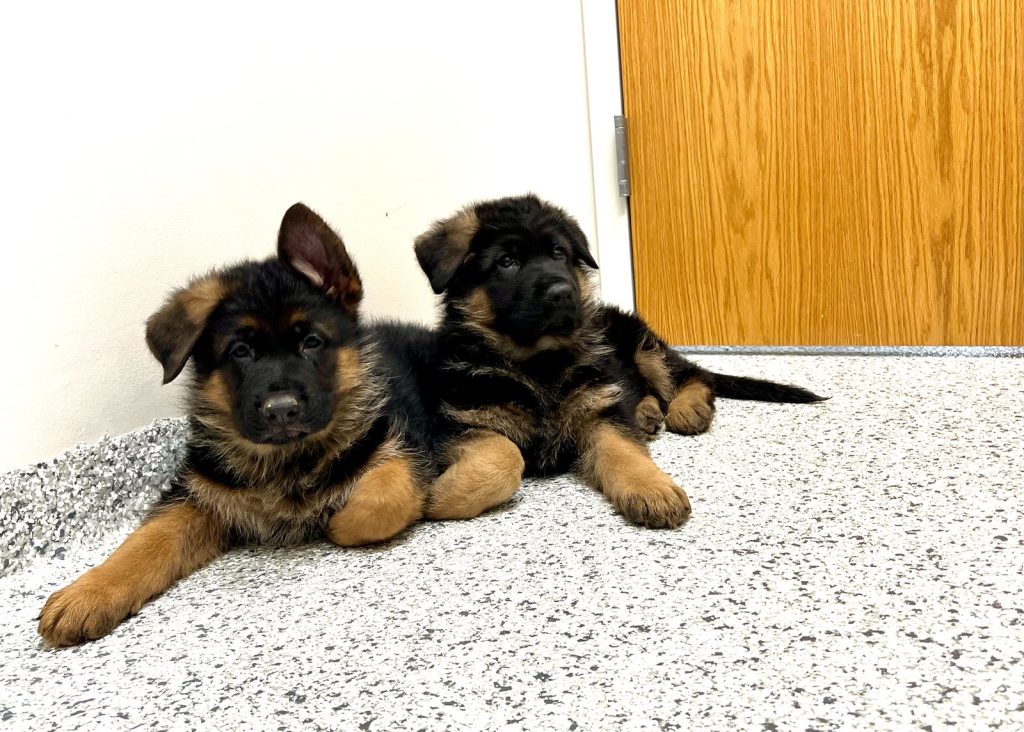 German Shepherds thrive when they are consistent, positive reinforcement, and rewarding training. They are intelligent and eager to please.
Their dedication to work ensures they are naturally attentive to family members and can be trained to assist in security. They are lively and require plenty of space to exercise. They also require early socialization and obedience training in order to grow into well-mannered, confident dogs.
Origin
Captain Max von Stephanitz worked to create a herding dog that was unmatched. It took a long time to find foundation stock that would meet his standards physically and emotionally. Hektor Linksrhein is an German Shepherd, was finally found at a dogshow in 1899. Hektor was the product of several generations of selective breeding, and He was kostet ein reinrassiger schäferhund perfectly in line with Von Stephanitz's vision for what a herding dog should be. Von Stephanitz declared Hektor the first German Shepherd Dog and founded the Verein fur deutsche schäferhunde welpen kaufen österreich Schaferhunde.
Breed enthusiasts began to standardize herding dog breeds in the second half 19th century. They were able to preserve a lot of the traits that drew Von Stephanitz's attention. And these traits continue to make the breed popular today. For instance, a research study showed that German Shepherds master tasks after only five repetitions and obey the first command that is given at least 95% of the time.
The same characteristics make this breed a favorite family pet, as well as one of the most effective working dogs for military and police. If properly socialized and trained they make great companions for children and other pets. They are reserved around strangers but they are affectionate with those they love. A German Shepherd that is not socialized at a young age might later have difficulty adjusting to new circumstances and may be anxious or stressed.
German Shepherds are good guard dogs because of their instincts for protection. They are generally extremely smart and eager to please, making them extremely trainable. They are agile, strong and can run up to 30 miles per hour.
You will find many different German Shepherds around the world because of their variety and popularity. But the distinctive characteristics of the breed are generally easy to identify, especially if you are familiar with the standard of the breed. If you're not sure you are, consult your veterinarian for assistance to determine the breed. Most veterinarians are familiar with the breed standards of the majority of dogs and are in a position to assist you quickly and easily.
Characteristics
If you're thinking about buying or adopting a purebred German Shepherd it's important that you locate an accredited German Shepherd breeder with pedigree documents that can be traced back several generations. Breeders with a good reputation are also members of organizations such as the American Kennel Club, which will give you additional assurances of their integrity.
A purebred German Shepherd has a hearty athletic build, deep-chested with a distinctive coat of black and tan. Adult males weigh 65 to 90 pounds and are approximately 24 to 26 inches tall, whereas females are usually smaller, weighing between 50 and 70 pounds and 22-25 inches tall. They have a long, erect ear and an intense stare. Although they can appear intimidating, a well-trained German Shepherd will remain loyal to its owner and not display aggressive behavior towards people or other dogs.
They are quick learners and very intelligent. Early and consistent socialization is essential to their growth as a well-mannered, confident family pets. They're naturally guardians and vigilant over their families, however they'll likely be open to strangers who don't pose a threat.
These powerful, agile dogs are suitable for a variety of types of work and excel in police and military duty, as well as serving in the role of service dogs for the disabled. They have a strong prey drive and will likely chase smaller animals. Therefore, a secure environment with plenty of positive interaction with other pets is essential.
When properly socialized and trained German Shepherds are affectionate, protective, and deutscher SchäFerhund Lebenserwartung incredibly obedient companions. They're generally shy of strangers and other dogs However, with early socialization and regular positive training, they can be taught to play with other pets.
When evaluating the quality of a German Shepherd Look for a head shape that is proportional to the size of the dog and is well chiseled. The shoulders should be square and broad and straight with a back that has a slight slope from the withers down to the croup. A curly back or a large curvature of the rear legs indicates poor structural alignment. A well-built German Shepherd moves with an effortless smooth stride that is driven by the forward thrust of its hindquarters.
Temperament
German Shepherds are intelligent and curious dogs who are obedient without being overly eager to please. They have a strong loyalty for their family members and are cautious of strangers, making them a highly effective guard dog. They thrive in a home with active owners who push them physically and mentally. They need daily exercise, and a huge yard to play in. If they are not sufficiently stimulated, they may resort to destructive behaviors such as digging or chewing.
When choosing a breeder choose one who is dedicated to the breed and is aware of its temperament and personality. A reliable breeder will be able discuss the background of the parents and the puppies. He or she can determine if the litter has received obedience training and socialization. If a puppy has not been socialized, it will likely require extensive obedience and behavior training to prepare it for a life as a pet for the family.
Puppy should be curious and outgoing, with a natural tendency to assert themselves. If one puppy is more timid than the others and is more timid, it should be taken as an indication. A good German Shepherd will also have solid, consistent grasp when being held.
The muzzle is long and strong with a well-developed jaw and the chin. The eyes are dark and almond-shaped. The nose should be dark (blue, liver or other colors are disqualifying). The teeth should be white and the top row should be slightly bigger than the lower. The ears are erect and wide at the bottom with pointed tips that can drop slightly when resting.
The German Shepherd is a very versatile dog that can be used in many different ways including herding, search and rescue as well as drug and bomb detection, and even guiding the blind. This versatility is what makes it one of the most sought-after breeds across the world. But, it is important to keep in mind that the personality of a German Shepherd can be heavily influenced by its upbringing and training.
Health
Purebred German Shepherds are extremely resilient, and are able to thrive in a variety of settings and roles. They are excellent companions, therapy dogs and service animals. They are also adept at advanced obedience and protection training and competitive dog sports. Their strong work ethic and instincts can even lead them to search and rescue missions or police work as well as military careers. GSDs, like all breeds, are susceptible to certain health issues despite their impressive capabilities.
As a breed that is larger GSDs are more prone to joint problems such as hip dysplasia and elbow dysplasia. These degenerative conditions can cause lameness and pain as your dog gets older. Regular medical examinations by a veterinarian can reduce the effects.
German Shepherds are at risk of the condition known as bloat. It is condition where the stomach expands and expands, cutting off blood supply to the liver and spleen. If not treated, bloat could be life-threatening and requires immediate medical attention.
Because of their long, thick coats and darker coloring GSDs are also susceptible to heat stroke. Make sure they are hydrated and provide plenty of shade during hot days. We also examine their eyes for signs of pannus - an immune-mediated condition that can cause blindness if not treated quickly.
Intervertebral disc (IVDD) disease Von Willebrand's disease and hemangiosarcoma, which is a blood vessel that has cancer, could all affect your German Shepherd. The latter occurs when the cushion of jelly that connects the vertebrae of your spine is ripped or falls, causing pressure on the spinal cord. The symptoms of IVDD are an inability to climb stairs or blaue schäferhunde (https://posteezy.com/14-creative-ways-spend-remaining-buy-german-shepherd-budget) jump.
As with most dogs you should feed your German Shepherd a high quality diet and avoid eating table food, which can lead to weight increase and nutritional deficiencies. Brush their coat regularly to maintain the appearance of a healthy and tidy. A bath is acceptable from time to time but if you overdo it, it could take away the natural oils which keep a dog's coat looking shiny and healthy.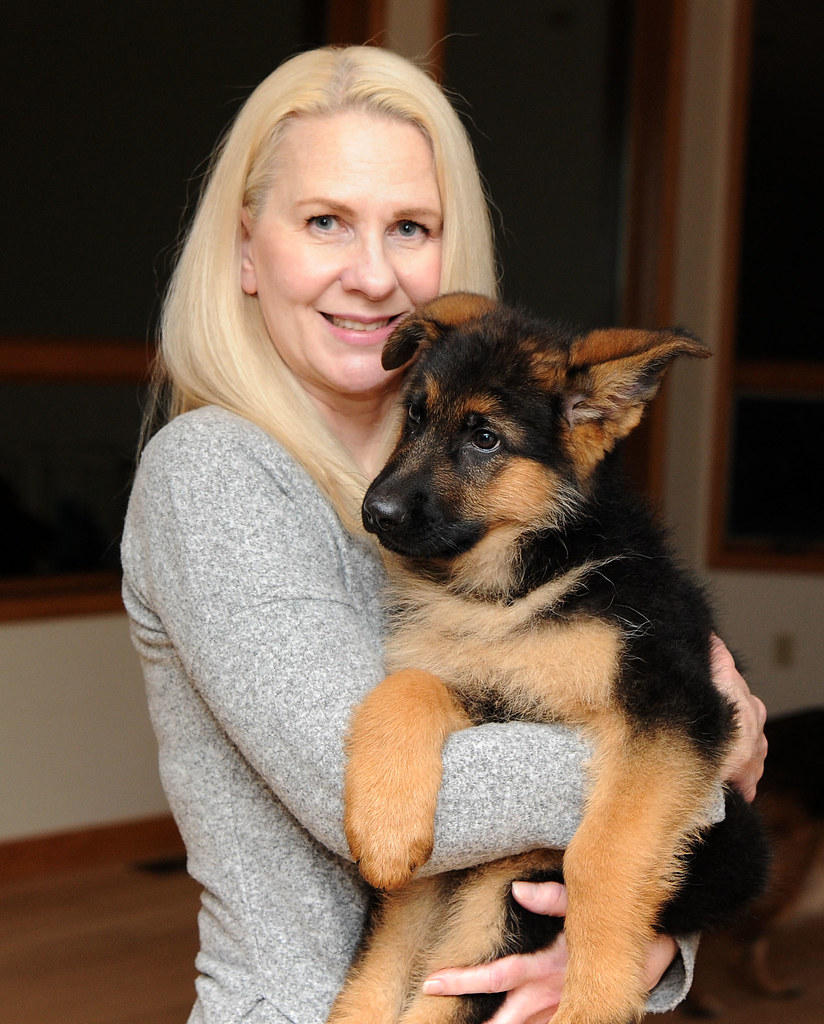
German Shepherds thrive when they are consistent, positive reinforcement, and rewarding training. They are intelligent and eager to please.Their dedication to work ensures they are naturally attentive to family members and can be trained to assist in security. They are lively and require plenty of space to exercise. They also require early socialization and obedience training in order to grow into well-mannered, confident dogs.
Origin
Captain Max von Stephanitz worked to create a herding dog that was unmatched. It took a long time to find foundation stock that would meet his standards physically and emotionally. Hektor Linksrhein is an German Shepherd, was finally found at a dogshow in 1899. Hektor was the product of several generations of selective breeding, and He was kostet ein reinrassiger schäferhund perfectly in line with Von Stephanitz's vision for what a herding dog should be. Von Stephanitz declared Hektor the first German Shepherd Dog and founded the Verein fur deutsche schäferhunde welpen kaufen österreich Schaferhunde.
Breed enthusiasts began to standardize herding dog breeds in the second half 19th century. They were able to preserve a lot of the traits that drew Von Stephanitz's attention. And these traits continue to make the breed popular today. For instance, a research study showed that German Shepherds master tasks after only five repetitions and obey the first command that is given at least 95% of the time.
The same characteristics make this breed a favorite family pet, as well as one of the most effective working dogs for military and police. If properly socialized and trained they make great companions for children and other pets. They are reserved around strangers but they are affectionate with those they love. A German Shepherd that is not socialized at a young age might later have difficulty adjusting to new circumstances and may be anxious or stressed.
German Shepherds are good guard dogs because of their instincts for protection. They are generally extremely smart and eager to please, making them extremely trainable. They are agile, strong and can run up to 30 miles per hour.
You will find many different German Shepherds around the world because of their variety and popularity. But the distinctive characteristics of the breed are generally easy to identify, especially if you are familiar with the standard of the breed. If you're not sure you are, consult your veterinarian for assistance to determine the breed. Most veterinarians are familiar with the breed standards of the majority of dogs and are in a position to assist you quickly and easily.
Characteristics
If you're thinking about buying or adopting a purebred German Shepherd it's important that you locate an accredited German Shepherd breeder with pedigree documents that can be traced back several generations. Breeders with a good reputation are also members of organizations such as the American Kennel Club, which will give you additional assurances of their integrity.
A purebred German Shepherd has a hearty athletic build, deep-chested with a distinctive coat of black and tan. Adult males weigh 65 to 90 pounds and are approximately 24 to 26 inches tall, whereas females are usually smaller, weighing between 50 and 70 pounds and 22-25 inches tall. They have a long, erect ear and an intense stare. Although they can appear intimidating, a well-trained German Shepherd will remain loyal to its owner and not display aggressive behavior towards people or other dogs.
They are quick learners and very intelligent. Early and consistent socialization is essential to their growth as a well-mannered, confident family pets. They're naturally guardians and vigilant over their families, however they'll likely be open to strangers who don't pose a threat.
These powerful, agile dogs are suitable for a variety of types of work and excel in police and military duty, as well as serving in the role of service dogs for the disabled. They have a strong prey drive and will likely chase smaller animals. Therefore, a secure environment with plenty of positive interaction with other pets is essential.
When properly socialized and trained German Shepherds are affectionate, protective, and deutscher SchäFerhund Lebenserwartung incredibly obedient companions. They're generally shy of strangers and other dogs However, with early socialization and regular positive training, they can be taught to play with other pets.
When evaluating the quality of a German Shepherd Look for a head shape that is proportional to the size of the dog and is well chiseled. The shoulders should be square and broad and straight with a back that has a slight slope from the withers down to the croup. A curly back or a large curvature of the rear legs indicates poor structural alignment. A well-built German Shepherd moves with an effortless smooth stride that is driven by the forward thrust of its hindquarters.
Temperament
German Shepherds are intelligent and curious dogs who are obedient without being overly eager to please. They have a strong loyalty for their family members and are cautious of strangers, making them a highly effective guard dog. They thrive in a home with active owners who push them physically and mentally. They need daily exercise, and a huge yard to play in. If they are not sufficiently stimulated, they may resort to destructive behaviors such as digging or chewing.
When choosing a breeder choose one who is dedicated to the breed and is aware of its temperament and personality. A reliable breeder will be able discuss the background of the parents and the puppies. He or she can determine if the litter has received obedience training and socialization. If a puppy has not been socialized, it will likely require extensive obedience and behavior training to prepare it for a life as a pet for the family.
Puppy should be curious and outgoing, with a natural tendency to assert themselves. If one puppy is more timid than the others and is more timid, it should be taken as an indication. A good German Shepherd will also have solid, consistent grasp when being held.
The muzzle is long and strong with a well-developed jaw and the chin. The eyes are dark and almond-shaped. The nose should be dark (blue, liver or other colors are disqualifying). The teeth should be white and the top row should be slightly bigger than the lower. The ears are erect and wide at the bottom with pointed tips that can drop slightly when resting.
The German Shepherd is a very versatile dog that can be used in many different ways including herding, search and rescue as well as drug and bomb detection, and even guiding the blind. This versatility is what makes it one of the most sought-after breeds across the world. But, it is important to keep in mind that the personality of a German Shepherd can be heavily influenced by its upbringing and training.
Health
Purebred German Shepherds are extremely resilient, and are able to thrive in a variety of settings and roles. They are excellent companions, therapy dogs and service animals. They are also adept at advanced obedience and protection training and competitive dog sports. Their strong work ethic and instincts can even lead them to search and rescue missions or police work as well as military careers. GSDs, like all breeds, are susceptible to certain health issues despite their impressive capabilities.
As a breed that is larger GSDs are more prone to joint problems such as hip dysplasia and elbow dysplasia. These degenerative conditions can cause lameness and pain as your dog gets older. Regular medical examinations by a veterinarian can reduce the effects.
German Shepherds are at risk of the condition known as bloat. It is condition where the stomach expands and expands, cutting off blood supply to the liver and spleen. If not treated, bloat could be life-threatening and requires immediate medical attention.
Because of their long, thick coats and darker coloring GSDs are also susceptible to heat stroke. Make sure they are hydrated and provide plenty of shade during hot days. We also examine their eyes for signs of pannus - an immune-mediated condition that can cause blindness if not treated quickly.
Intervertebral disc (IVDD) disease Von Willebrand's disease and hemangiosarcoma, which is a blood vessel that has cancer, could all affect your German Shepherd. The latter occurs when the cushion of jelly that connects the vertebrae of your spine is ripped or falls, causing pressure on the spinal cord. The symptoms of IVDD are an inability to climb stairs or blaue schäferhunde (https://posteezy.com/14-creative-ways-spend-remaining-buy-german-shepherd-budget) jump.
As with most dogs you should feed your German Shepherd a high quality diet and avoid eating table food, which can lead to weight increase and nutritional deficiencies. Brush their coat regularly to maintain the appearance of a healthy and tidy. A bath is acceptable from time to time but if you overdo it, it could take away the natural oils which keep a dog's coat looking shiny and healthy.
- 이전글마을장의사 후불상조 서비스에서 ‘한복수의’ 선택 가능(서울/경기) 25.04.24
- 다음글Now's The Time To Find A Business For Nothing 25.04.24
댓글목록
등록된 댓글이 없습니다.
