Guide To 30 Ft Containers: The Intermediate Guide The Steps To 30 Ft C…
페이지 정보

본문
Comprehending 30-Foot Shipping Containers: Versatility and Applications
Shipping containers have actually become associated with modern logistics and trade, however they are also treasured for their versatility in different applications beyond simply transporting products. Amongst the various sizes of shipping containers, the 30 foot shipping container-foot container has actually carved out a specific niche for itself. This post looks into the qualities, benefits, applications, and economic considerations of 30-foot containers.
What is a 30-Foot Container?
A 30-foot container is a customized shipping container that is notably shorter than the basic 40-foot container. Normally fabricated with durable steel, these containers are created to endure harsh ecological conditions, making them an outstanding choice for both transportation and storage. While their dimensions can differ somewhat based upon style and manufacturer, a basic 30-foot container is typically about 30 ft container feet long, 8 feet broad, and 8.5 feet high, though high-cube versions exist that offer additional vertical area.
 Typical Specifications
Outside Dimensions: 30' high cube shipping container L x 8' W x 8.5' H.
Interior Dimensions: Approximately 29.5' L x 7.7' W x 7.9' H.
Capacity: Roughly 1,700 cubic feet.
Weight: Approximately 5,000 pounds (unloaded).
Advantages of 30-Foot Containers.
Modularity: Their size makes them much easier to transport and place, particularly in areas where space is restricted. This makes them ideal for urban settings or for individual usage like backyard storage.
Cost-Effectiveness: Generally, 30-foot containers are more economical both to purchase and to carry compared to longer containers. This can cause substantial cost savings for companies requiring a versatile shipping or storage service.
Versatility: Their dimensions enable for different uses-- translating perfectly from shipping to storage to even living spaces. They can easily be adjusted for various markets or individual requirements.
Resilience: Made from robust materials, 30-foot containers can stand up to extreme weather condition, pests, and other damage, making sure that their contents are well safeguarded.
Sustainability: Reusing shipping containers for other functions is an environmentally friendly option, decreasing waste and promoting recycling.
Applications of 30-Foot Containers.
30-foot containers are being leveraged in a wide range of sectors. Here are some notable applications:.
1. Storage Solutions.
Residential Use: Homeowners typically utilize 30-foot containers for extra storage of seasonal products, tools, or even lorries.
Industrial Storage: Businesses make use of these containers for stock overflow, archives, or emergency products.
2. Modular Offices.
Many business have actually transformed 30-foot containers into momentary or long-term workplace, especially on building websites. This permits a safe work environment that can be transferred as needed.
3. Leisure Spaces.
Camping or Glamping: Containers can be renovated for unique outdoor camping experiences.
Art Studios: Artists have turned 30-foot containers into creative spaces that are both private and inspiring.
4. Emergency situation Shelters.
Organizations typically repurpose 30-foot containers into quick and easily deployable shelters in disaster-stricken locations.
5. Mobile Retail Spaces.
Pop-up shops have gotten appeal, and containers can be equipped as retail stores for seasonal businesses or special events.
Economic Considerations.
Cost Analysis.
The initial purchase price of a brand-new 30-foot container generally ranges from $3,000 to $5,000, while utilized containers can be found for as little as $1,500. This is especially lower than similar shipping options, making it an attractive financial investment for small organizations or individuals looking for extra area.
Extra Costs.
Transportation Fees: Depending on the distance, carrying a container can contribute to the general expense.
Adjustments: Costs increase if the buyer prepares to modify the container for specific use (e.g., including windows, insulation).
Resale Value.
A well-maintained 30-foot container frequently keeps its worth well, offering a reasonable roi for those looking to sell it after usage.
Frequently Asked Questions (FAQs).
1. Are 30-foot containers wind and watertight?
Yes, most basic containers are developed to be wind and watertight, making them ideal for both shipping and storage in different weather conditions.
2. Can 30-foot containers be modified?
Absolutely! Numerous companies concentrate on customizing shipping containers for numerous uses, consisting of including insulation, windows, and doors to produce habitable or usable spaces.
3. How are 30-foot containers transferred?
Containers can be carried through truck, train, or cargo ships. Transport business frequently supply specialized devices for moving these containers.
4. do they make 30 ft shipping containers I require a permit to place a container on my property?
Regulations differ by area, so it is essential to talk to regional authorities regarding zoning laws and permits before placing a container on your property.
5. How do I preserve a shipping container?
Routine inspections for rust, water damage, and structural integrity are essential. Keeping the container elevated off the ground can likewise avoid wetness damage.
Conclusion.
The 30-foot shipping container stands apart as a flexible option for a large selection of applications, from storage and workplace to emergency situation shelters and recreational usage. Its size makes it an exceptional choice for urban environments where space is a premium and where flexibility is a vital benefit. As industries and people continue to look for sustainable and affordable services for their storage and area requirements, the appeal of 30 ft high cube container-foot containers is most likely to grow. Comprehending their features, applications, and economic elements will assist individuals and businesses harness their unique benefits effectively.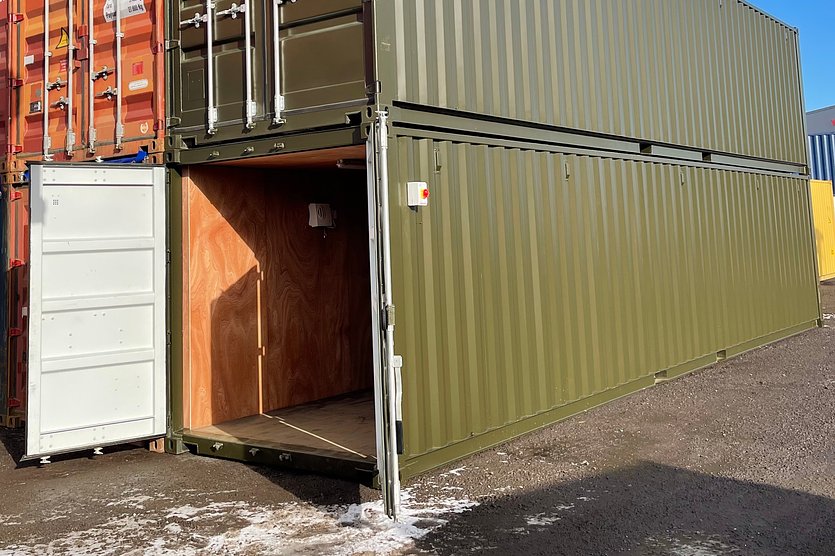
Shipping containers have actually become associated with modern logistics and trade, however they are also treasured for their versatility in different applications beyond simply transporting products. Amongst the various sizes of shipping containers, the 30 foot shipping container-foot container has actually carved out a specific niche for itself. This post looks into the qualities, benefits, applications, and economic considerations of 30-foot containers.
What is a 30-Foot Container?
A 30-foot container is a customized shipping container that is notably shorter than the basic 40-foot container. Normally fabricated with durable steel, these containers are created to endure harsh ecological conditions, making them an outstanding choice for both transportation and storage. While their dimensions can differ somewhat based upon style and manufacturer, a basic 30-foot container is typically about 30 ft container feet long, 8 feet broad, and 8.5 feet high, though high-cube versions exist that offer additional vertical area.
Typical SpecificationsOutside Dimensions: 30' high cube shipping container L x 8' W x 8.5' H.
Interior Dimensions: Approximately 29.5' L x 7.7' W x 7.9' H.
Capacity: Roughly 1,700 cubic feet.
Weight: Approximately 5,000 pounds (unloaded).
Advantages of 30-Foot Containers.
Modularity: Their size makes them much easier to transport and place, particularly in areas where space is restricted. This makes them ideal for urban settings or for individual usage like backyard storage.
Cost-Effectiveness: Generally, 30-foot containers are more economical both to purchase and to carry compared to longer containers. This can cause substantial cost savings for companies requiring a versatile shipping or storage service.
Versatility: Their dimensions enable for different uses-- translating perfectly from shipping to storage to even living spaces. They can easily be adjusted for various markets or individual requirements.
Resilience: Made from robust materials, 30-foot containers can stand up to extreme weather condition, pests, and other damage, making sure that their contents are well safeguarded.
Sustainability: Reusing shipping containers for other functions is an environmentally friendly option, decreasing waste and promoting recycling.
Applications of 30-Foot Containers.
30-foot containers are being leveraged in a wide range of sectors. Here are some notable applications:.
1. Storage Solutions.
Residential Use: Homeowners typically utilize 30-foot containers for extra storage of seasonal products, tools, or even lorries.
Industrial Storage: Businesses make use of these containers for stock overflow, archives, or emergency products.
2. Modular Offices.
Many business have actually transformed 30-foot containers into momentary or long-term workplace, especially on building websites. This permits a safe work environment that can be transferred as needed.
3. Leisure Spaces.
Camping or Glamping: Containers can be renovated for unique outdoor camping experiences.
Art Studios: Artists have turned 30-foot containers into creative spaces that are both private and inspiring.
4. Emergency situation Shelters.
Organizations typically repurpose 30-foot containers into quick and easily deployable shelters in disaster-stricken locations.
5. Mobile Retail Spaces.
Pop-up shops have gotten appeal, and containers can be equipped as retail stores for seasonal businesses or special events.
Economic Considerations.
Cost Analysis.
The initial purchase price of a brand-new 30-foot container generally ranges from $3,000 to $5,000, while utilized containers can be found for as little as $1,500. This is especially lower than similar shipping options, making it an attractive financial investment for small organizations or individuals looking for extra area.
Extra Costs.
Transportation Fees: Depending on the distance, carrying a container can contribute to the general expense.
Adjustments: Costs increase if the buyer prepares to modify the container for specific use (e.g., including windows, insulation).
Resale Value.
A well-maintained 30-foot container frequently keeps its worth well, offering a reasonable roi for those looking to sell it after usage.
Frequently Asked Questions (FAQs).
1. Are 30-foot containers wind and watertight?
Yes, most basic containers are developed to be wind and watertight, making them ideal for both shipping and storage in different weather conditions.
2. Can 30-foot containers be modified?
Absolutely! Numerous companies concentrate on customizing shipping containers for numerous uses, consisting of including insulation, windows, and doors to produce habitable or usable spaces.
3. How are 30-foot containers transferred?
Containers can be carried through truck, train, or cargo ships. Transport business frequently supply specialized devices for moving these containers.
4. do they make 30 ft shipping containers I require a permit to place a container on my property?
Regulations differ by area, so it is essential to talk to regional authorities regarding zoning laws and permits before placing a container on your property.
5. How do I preserve a shipping container?
Routine inspections for rust, water damage, and structural integrity are essential. Keeping the container elevated off the ground can likewise avoid wetness damage.
Conclusion.
The 30-foot shipping container stands apart as a flexible option for a large selection of applications, from storage and workplace to emergency situation shelters and recreational usage. Its size makes it an exceptional choice for urban environments where space is a premium and where flexibility is a vital benefit. As industries and people continue to look for sustainable and affordable services for their storage and area requirements, the appeal of 30 ft high cube container-foot containers is most likely to grow. Comprehending their features, applications, and economic elements will assist individuals and businesses harness their unique benefits effectively.
- 이전글Seven Explanations On Why Goethe Certificate Is So Important 25.04.24
- 다음글The 3 Biggest Disasters In Buy Driving License A1 History 25.04.24
댓글목록
등록된 댓글이 없습니다.
